Gen Z is Reshaping the Workforce and Fitness Industry Expectations
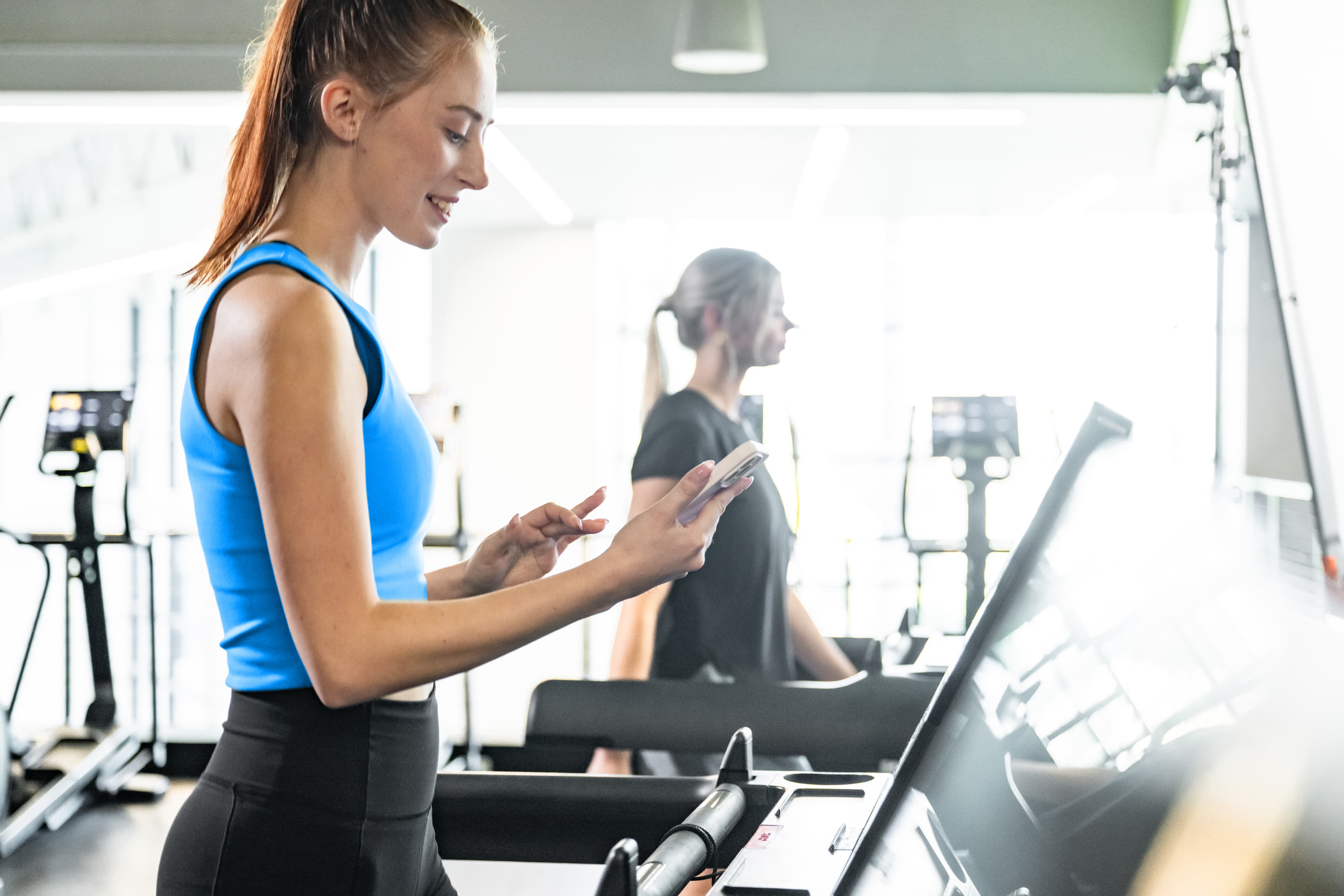
Gen Z is changing what people expect from fitness and community organizations.
From mobile registration and digital payments to personalized communication and flexible membership options, younger generations are raising expectations for the entire member experience. As a result, many organizations are rethinking how they use fitness management software, deliver mobile experiences, and create meaningful engagement through modern member engagement tools.
To better understand these shifts, Daxko collaborated with Dr. John R. Thompson, Ph.D., Visiting Professor of Business at Southwestern University, and students in his Management Communications course to explore how Gen Z views health, wellness, and career opportunities within the fitness industry.
While the research focused on students preparing to enter the workforce, the findings point to broader trends already reshaping how people engage with community organizations. For YMCAs, JCCs, community recreation centers, and other mission-driven organizations, understanding these expectations is becoming increasingly important for member growth, retention, and long-term community impact.
Wellness means more than fitness
For previous generations, fitness and wellness were often viewed through a physical lens. Exercise, nutrition, and performance goals typically drove participation.
Gen Z takes a broader view.
Mental health, emotional well-being, social connection, and physical health are increasingly seen as interconnected. Younger consumers are more likely to seek organizations that support their overall well-being rather than focusing exclusively on physical outcomes.
This shift is influencing everything from workplace culture and employee benefits to program offerings and community engagement strategies.
The findings from student surveys, backed up by secondary research, demonstrate that Gen Z will value and guard their mental health in making decisions in life.

Dr. John R. Thompson, Ph.D.
Visiting Professor of Business, Southwestern University
For community organizations, this reinforces the importance of creating environments where people feel supported, connected, and valued. Organizations using member engagement software can strengthen relationships through payzed communication, automated outreach, and targeted engagement that helps members stay connected between visits.
The organizations that succeed with Gen Z will understand that wellness is not simply about physical activity. It is about helping people feel healthier, more connected, and more supported throughout their lives.
The mobile experience is now part of the member experience
Gen Z has never known a world without smartphones.
As digital natives, they expect the same level of convenience from a fitness center or community organization that they receive from retailers, streaming platforms, and financial institutions.
Joining online. Registering for programs. Updating account information. Making payments. Accessing schedules. Receiving notifications.
These experiences are no longer considered premium features. They are expected.
This expectation is one reason many organizations are investing in modern fitness management software that connects memberships, programs, communications, and operations into a single platform. When information is connected, organizations can reduce friction for members while simplifying day-to-day work for staff.
Organizations that offer mobile-first experiences are often better positioned to meet these expectations because members can interact with programs and services wherever they are.
They expect things to be easy to interact with, all through a portal in their hands. They also expect a customized gym experience to essentially come to them.
Dr. John R. Thompson, Ph.D.
Visiting Professor of Business, Southwestern University
For Gen Z, convenience is not about technology alone. It is about removing barriers to participation.
Recommendations from the next generation
Student teams provided actionable ideas that can inform how companies like Daxko and its customers engage with Gen Z:
For Employers:
Offer comprehensive health benefits, especially those addressing mental health. Cultivate a supportive culture that values work-life balance and authenticity, an approach closely tied to long-term workforce engagement and retention.
For Fitness Providers:
Integrate mental health features like guided meditations into fitness apps. Offer AI-driven, customized workouts and keep every touchpoint mobile-friendly. These recommendations reflect how organizations are increasingly using digital platforms and fitness management software alongside member engagement tools to deliver more personalized, accessible experiences.
These findings point toward a Gen Z cohort that is mission-aligned with the wellness industry, but also highly discerning.
Survey respondents reported they were open to considering careers in health and fitness. With that said, any potential employer of Gen Z needs comprehensive health plans that encompass mental health.
Dr. John R. Thompson, Ph.D.
Visiting Professor of Business, Southwestern University
Personalization is expected, not optional
Gen Z has grown up in a world of personalized experiences.
Streaming services recommend content. Retailers suggest products. Social media feeds adapt to individual interests and behaviors.
Those same expectations increasingly extend to fitness and community organizations.
Members want communication that feels relevant. Participants want recommendations aligned with their interests. Prospective members are more likely to engage when outreach reflects their goals rather than generic messaging.
Organizations can use performance analytics to better understand participation patterns, identify engagement opportunities, and create more personalized member experiences.
For example, organizations can identify declining participation trends, understand which programs resonate most with specific audiences, and create outreach campaigns that feel timely and relevant.
The goal is not replacing human interaction with automation.
The goal is giving staff better visibility into member needs so they can build stronger relationships and create more meaningful experiences.
Community and belonging influence decisions
Despite growing up in a highly connected digital world, Gen Z consistently values meaningful relationships and authentic connection.
Many younger consumers actively seek organizations that align with their values and provide opportunities to build community.
This creates a significant opportunity for nonprofits.
Organizations such as YMCAs, JCCs, and community recreation centers have long served as gathering places where people connect, participate, and belong.
Those strengths are becoming increasingly important as younger generations seek experiences that offer more than convenience.
Community is not simply a benefit. For many Gen Z consumers, it is part of the decision-making process.
Organizations that create opportunities for volunteerism, mentorship, group activities, and relationship-building may find that community becomes one of their strongest differentiators.
Gen Z is reshaping workplace expectations
The influence of Gen Z extends beyond membership behavior.
It is also reshaping workforce expectations across the health, wellness, and nonprofit sectors.
Many younger employees prioritize:
- Purpose-driven work
- Flexible schedules
- Professional development opportunities
- Mental health support
- Inclusive workplace cultures
- Technology that reduces administrative burden
Organizations that continue to rely on manual processes and disconnected systems instead of integrated fitness management software may struggle to attract and retain younger employees who expect modern workplace tools.
Investments in technology often benefit both members and staff. Solutions that connect operations, communications, and reporting can reduce administrative burden while giving leaders better visibility into organizational performance. Integrated nonprofit accounting software can further simplify financial management and reporting, helping teams spend less time reconciling data and more time serving their communities.
For mission-driven organizations, this alignment matters. Staff want to focus on strengthening communities, not navigating disconnected systems.
Digital expectations start before someone walks through the door
Gen Z’s expectations begin long before someone joins a facility or registers for a program.
They expect organizations to be easy to find online, simple to engage with, and responsive across digital channels.
Whether someone is researching membership options, registering for a camp, signing up for a class, or making a donation, every interaction contributes to the overall experience.
Organizations investing in strong websites, targeted content, and digital marketing services are often better positioned to connect with younger audiences and remain visible in increasingly competitive markets.
Likewise, seamless and secure payment experiences help remove barriers to participation while meeting expectations for convenience and flexibility. For Gen Z, a cumbersome registration or payment process can be enough reason to abandon an otherwise appealing program.
What Community Organizations Can Do Today
The organizations best positioned for long-term success are not necessarily those with the newest technology or the largest budgets.
They are the organizations that understand how expectations are evolving and adapt accordingly.
That may include:
- Creating mobile-first member experiences
- Simplifying registration and payment processes
- Supporting both physical and mental wellness
- Personalizing communication and outreach
- Using data to understand participation trends
- Building stronger community connections
- Reducing operational complexity for staff
Organizations that connect fitness management software, member engagement tools, performance analytics, and payment solutions are often better positioned to create seamless experiences that align with Gen Z expectations.
The goal is not simply efficiency.
The goal is creating more time and capacity for the work that matters most: serving people and strengthening communities.
Preparing for Gen Z’s influence
Each generation changes the landscape, and Gen Z is no different. Their needs are clear: holistic health, technology-driven convenience, and meaningful work. Our collaboration with Dr. Thompson and his students affirmed that aligning these values is an essential strategy.
Many of these themes connect to broader conversations Daxko has shared across its Insights library about resilience and preparedness, including how organizations stay connected and responsive during unexpected disruptions, as explored in this perspective on organizational preparedness.
As Gen Z continues to influence both the workforce and the fitness industry, organizations supported by adaptable digital tools, including fitness management software designed for engagement and flexibility will be better prepared to meet evolving expectations.
To learn more about how Daxko supports values-driven engagement for both customers and employees, schedule a demo with our team.
About the Author
John R. Thompson, Ph.D. is a college educator and communication expert who teaches leadership and management at Austin-area colleges, most recently serving as Visiting Professor of Business at Southwestern University in Georgetown, TX. With a Ph.D. in Communication Studies from the University of Texas at Austin, he brings both academic and corporate experience to his work. He is also founder and principal of John Thompson Communications LLC, helping executives craft impactful strategic narratives.