Exercise as a prescription: the future of medical fitness with ACAC + WELLD
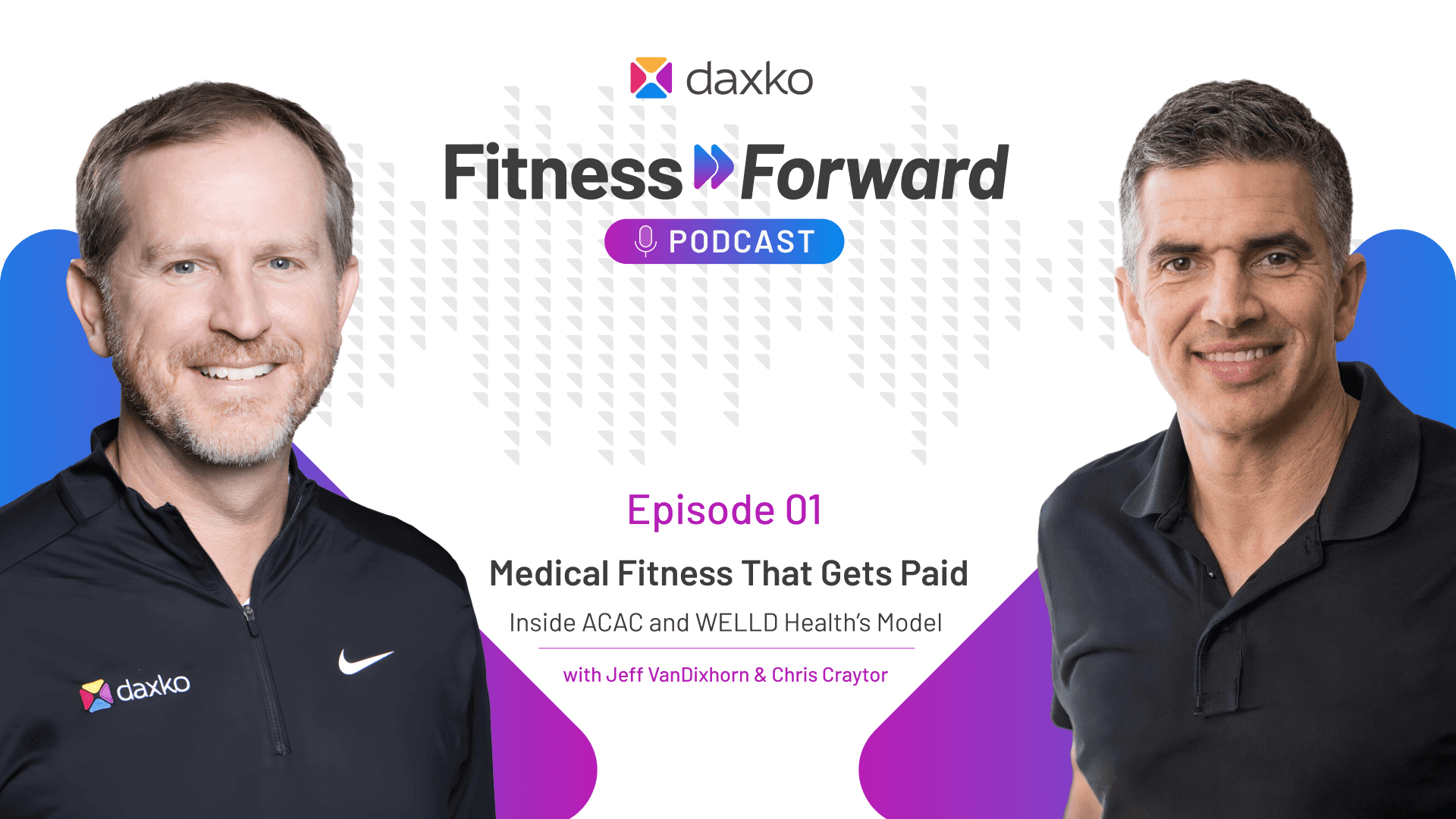
Medical fitness is no longer a niche conversation, it’s becoming the defining opportunity for forward-thinking fitness operators. In the first episode of Fitness Forward, Daxko CEO Jeff VanDixhorn sits down with Chris Craytor, CEO of Atlantic Coast Athletic Clubs (ACAC) and WELLD Health, for a wide-ranging conversation on culture, technology, and the evolving relationship between fitness and medicine.
From building a people-first team culture across 14 clubs to navigating the complex world of Medicare and Medicaid reimbursement, Chris brings both the big-picture vision and the operational realities that fitness operators need to hear.
Building a club people belong to
ACAC didn’t grow to 70,000+ members across 14 clubs by accident. Chris describes the organization’s foundation as a “People First” culture, a commitment that starts with how they treat their team and flows outward to every member interaction.
What ‘people first’ actually means in practice
For ACAC, people-first isn’t a slogan, it’s a hiring philosophy, a service standard, and a retention strategy rolled into one. Staff longevity drives member loyalty. When team members feel like they belong, members feel it too.
We're a place that you belong to, not just a place that you visit.
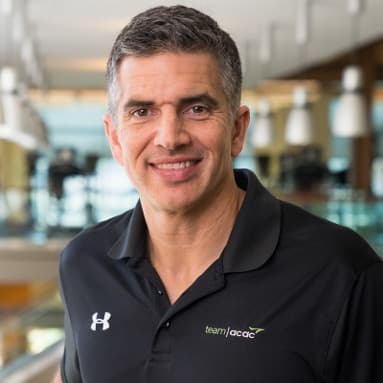
Chris Craytor
CEO, Atlantic Coast Athletic Clubs (ACAC) & WELLD Health
Referrals, retention, and the long game
That sense of belonging is also smart business. When members feel genuinely connected to a club, they refer friends, stay longer, and become advocates. ACAC’s model shows that culture isn’t soft, it’s a competitive advantage.
What ACAC is investing in next
Chris shares where ACAC is placing its bets for the next era of club operations and the trends shaping what members actually want.
Social wellness, recovery, and rebalancing the floor
The most forward-thinking clubs aren’t just adding equipment, they’re rethinking the member experience from the ground up. For ACAC, that means:
- Expanding social wellness programming that fosters real community connection
- Building out dedicated recovery centers as members prioritize longevity
- Rebalancing cardio and strength allocations to reflect how members actually train today
Building an internal AI agent
ACAC has also moved into AI not as a buzzword, but as a practical operational tool. Chris describes building a custom AI agent that helps frontline staff access standard operating procedures quickly, reducing friction and improving consistency across 14 clubs.
Medical fitness: promise, complexity, and what's actually changing
The idea of exercise as medicine isn’t new but the infrastructure to make it financially sustainable is finally starting to take shape. Chris and Jeff dig into what’s moving at the federal level and what it will take to make medical fitness reimbursement real for clubs and community organizations.
Where the opportunity is and why it’s still hard
There’s real momentum around prevention in Medicare and Medicaid programs, especially for fall prevention and chronic disease management. The vision of receiving a direct referral from a healthcare system like Epic essentially an exercise prescription is no longer far-fetched. But Chris is clear-eyed about the hurdles:
- Enrollment requirements that are burdensome for smaller operators
- Staffing demands that don’t match typical club structures
- Reimbursement models that aren’t yet sustainable at scale
What it will take to make it work
For clubs and community organizations to become true partners in care, reimbursement needs to be operationally simple and financially viable. That’s exactly the gap WELLD Health was built to close.
How WELLD Health makes reimbursement operational
WELLD Health isn’t trying to solve the policy side of medical fitnes, it’s focused on the operational plumbing that makes payer programs actually work for clubs.
Cleaning up the data problem
One of the biggest hidden costs in payer programs is bad data. Without proper controls, error rates in eligibility and claims submissions can run as high as 50%. WELLD brings those rates below 1% by:
- Validating member eligibility in real time
- Tracking activity accurately for visit submissions
- Automating reconciliation to catch discrepancies before they become write-offs
Better data means better revenue
The downstream impact is significant. WELLD reports first-pass claim payment rates in the mid-90% range for medical billing, a meaningful improvement over industry norms. For clubs running payer programs, that’s real money recovered that would otherwise be lost to administrative errors.
The future of fitness is preventive, and it starts now
The conversation between Jeff and Chris isn’t just about where medical fitness is headed, it’s about what operators need to do today to be ready. Building the right culture, investing in the right technology, and partnering with solutions that simplify the operational complexity of reimbursement programs aren’t future priorities. They’re present ones.
Whether you’re running a multi-club operation like ACAC or exploring your first payer partnership, the path forward starts with people, data, and a willingness to think beyond the four walls of your facility.
Thanks for listening to Fitness Forward, a podcast by Daxko.
Watch and subscribe on YouTube.
Listen on Spotify.
Listen on Apple Podcasts.
Subscribe on Substack for new episodes and updates.
Connect with us on LinkedIn to keep the conversation going.