What YMCA Development Leaders Are Talking About in 2026: 5 Themes from NAYDO
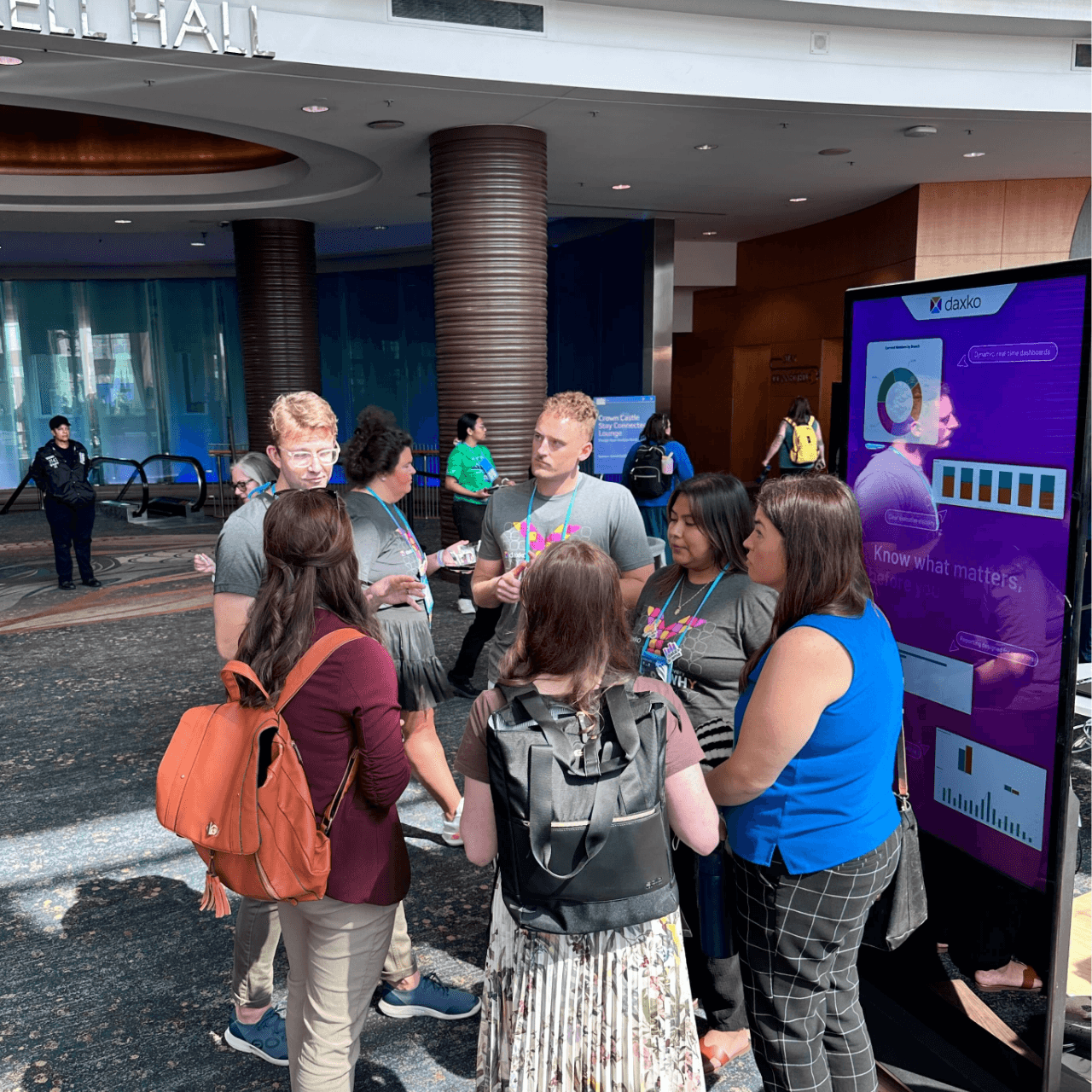
NAYDO 2026 in Long Beach drew YMCA development professionals, CEOs, board members, and partners from across North America for four days of sessions, conversations, and shared learning. The session catalog this year, and the questions being asked inside and outside those rooms, pointed to where the YMCA development community is putting its attention right now.
Here are five themes that ran through the week.
1. AI moved from “interesting” to “in production”
Last year, AI sessions at NAYDO were exploratory. This year, they were operational. Multiple sessions across the schedule focused on practical application – using AI to drive giving revenue at scale, treating technology as a team member, and using AI to save time so development teams can raise more.
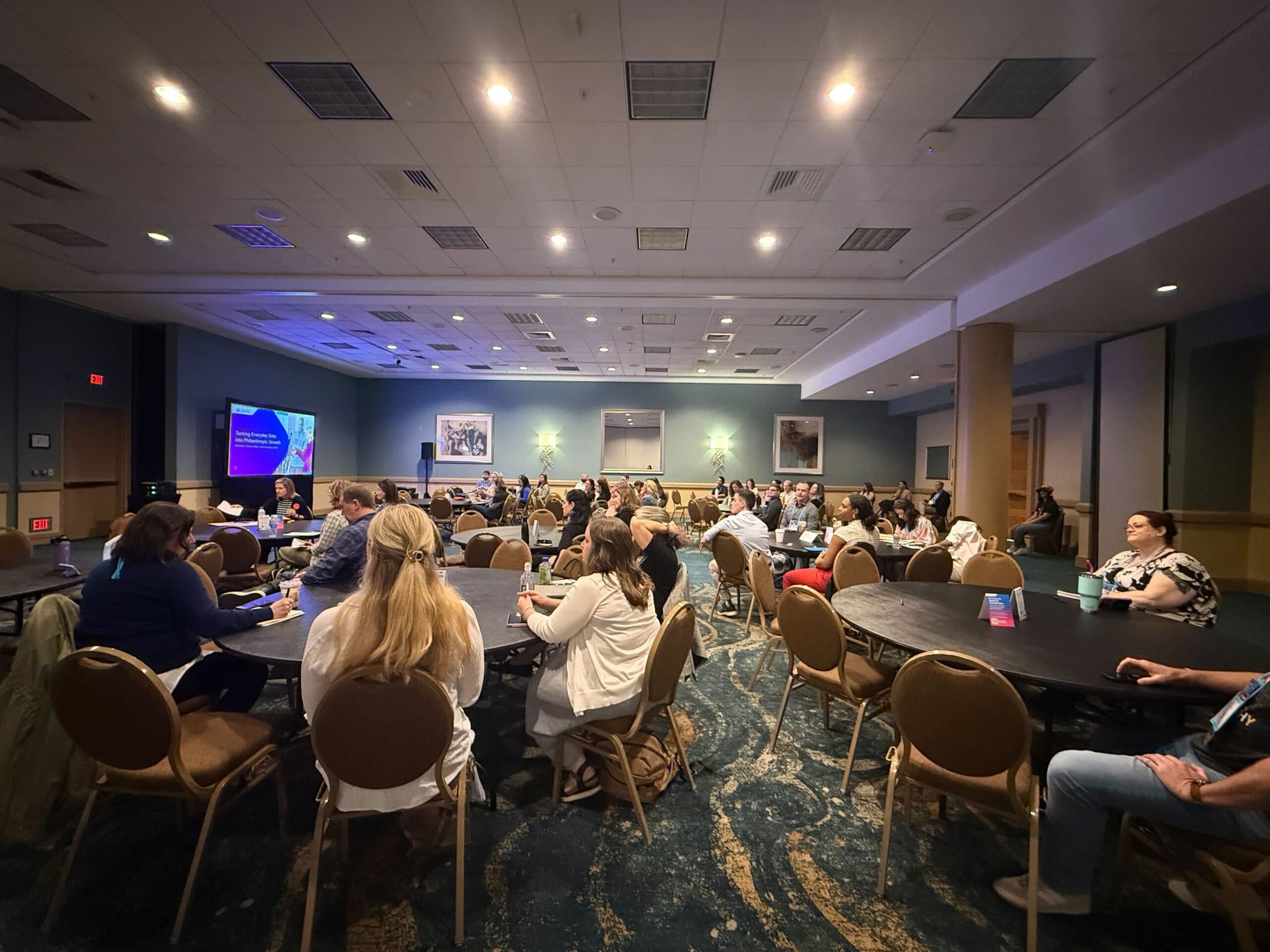
We had the chance to host one of those conversations. Turning Everyday Data into Philanthropic Growth with AI, moderated by Wendy White, Daxko’s CMO, featured Bill Powell, COO/EVP at the YMCA of Greater Cincinnati, and Laura Arredondo, CMO at the YMCA of Central Texas, joined by Nick Lindauer, VP of Marketing at Daxko.
The Y leaders described the practical work of putting AI to use – including building AI agents designed to live in staff pockets, so that frontline teams can respond to a donor or member moment faster, draft more thoughtful outreach in less time, and let the relationship lead. The consistent message across the AI sessions all week: AI doesn’t replace the development professional’s judgment. It clears the runway so that judgment gets to do more.
This is the same direction Daxko is building toward. At the Opening General Session, Daxko CEO Jeff VanDixhorn shared the company’s AI-first roadmap – built on 25+ years of YMCA operational data and shaped by Customer Advisory Boards made up of Y leaders setting the priorities. Daxko’s AI work isn’t happening in a lab and then handed to YMCAs. It’s being scoped, tested, and refined alongside the Ys who’ll use it.
If your Y is still in the “where do we start?” phase on AI, you’re not behind. You’re where most of the room was. The leaders sharing on stage were honest that they’re still learning too – and the work has started with the data they already have, not a new platform they had to learn.
2. The line between membership and philanthropy is being redrawn
Several sessions at NAYDO pointed at the same idea from different angles – turning members into donors, connecting philanthropy and membership across the full member journey, and deepening donor engagement in youth development.
YMCA development leaders are increasingly treating membership and philanthropy as one continuous relationship, not two separate funnels. A long-time member who’s never been asked to give is a future donor. A youth program parent watching their kid’s confidence build is a future donor. A volunteer is a future donor. The work is in seeing the whole picture and making the right ask at the right moment.
This came up repeatedly in booth conversations as well. Development directors talked about wanting better visibility into who their members actually are – what programs they use, how long they’ve been engaged, what stewardship moments have already happened – so the development conversation can start from a place of relationship, not introduction.
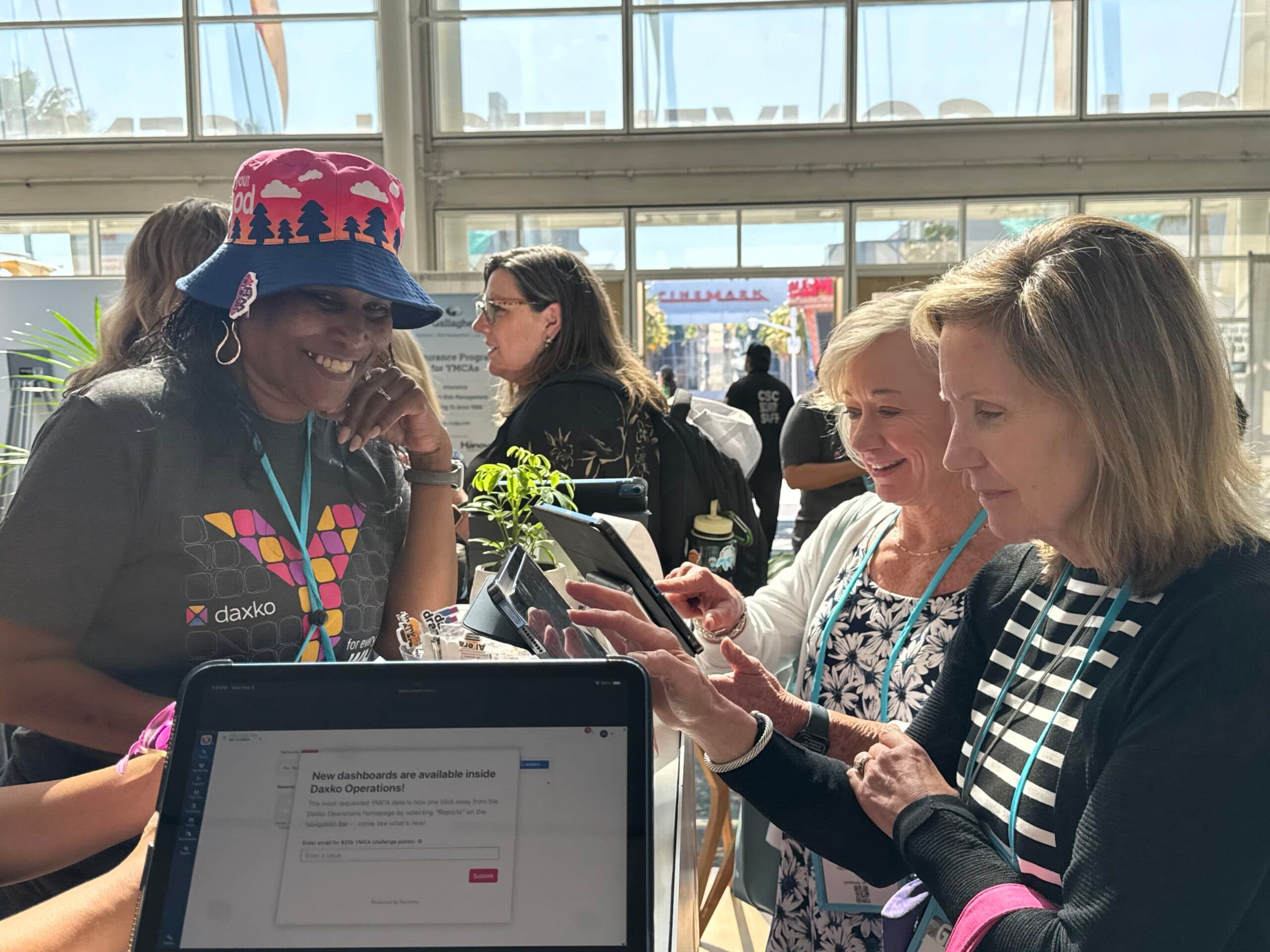
The new Daxko dashboards and report builder are both live, and the response from YMCA development leaders was consistent: they want trusted numbers without chasing them, and they want everyday users to be able to build reports without depending on one specialist. When membership data and giving data live in the same place, the development conversation gets richer.
3. Donor retention is the quiet headline of 2026
Acquisition still gets attention, but the sessions YMCA development leaders chose this year tell a different story. Personalized stewardship at scale, data-backed strategies to retain donors, and harnessing the feedback loop between public funding and private philanthropy were all on the schedule.
Why now? A few reasons surfaced in conversations on the floor. Donor expectations have shifted — people give to organizations that reflect them back, not organizations that treat them as a transaction. Smaller dollar amounts add up, especially when retention is strong. And in an environment where every gift is harder won, keeping the donors a Y already has is more cost-effective than the constant cycle of replacing them.
The development professionals we spoke with described a renewed focus on stewardship cadence, segmentation, and the small touches that signal a donor matters — a personalized thank-you that references the program they care about, a story sent at the right moment, an invitation that reflects who they are at the Y.
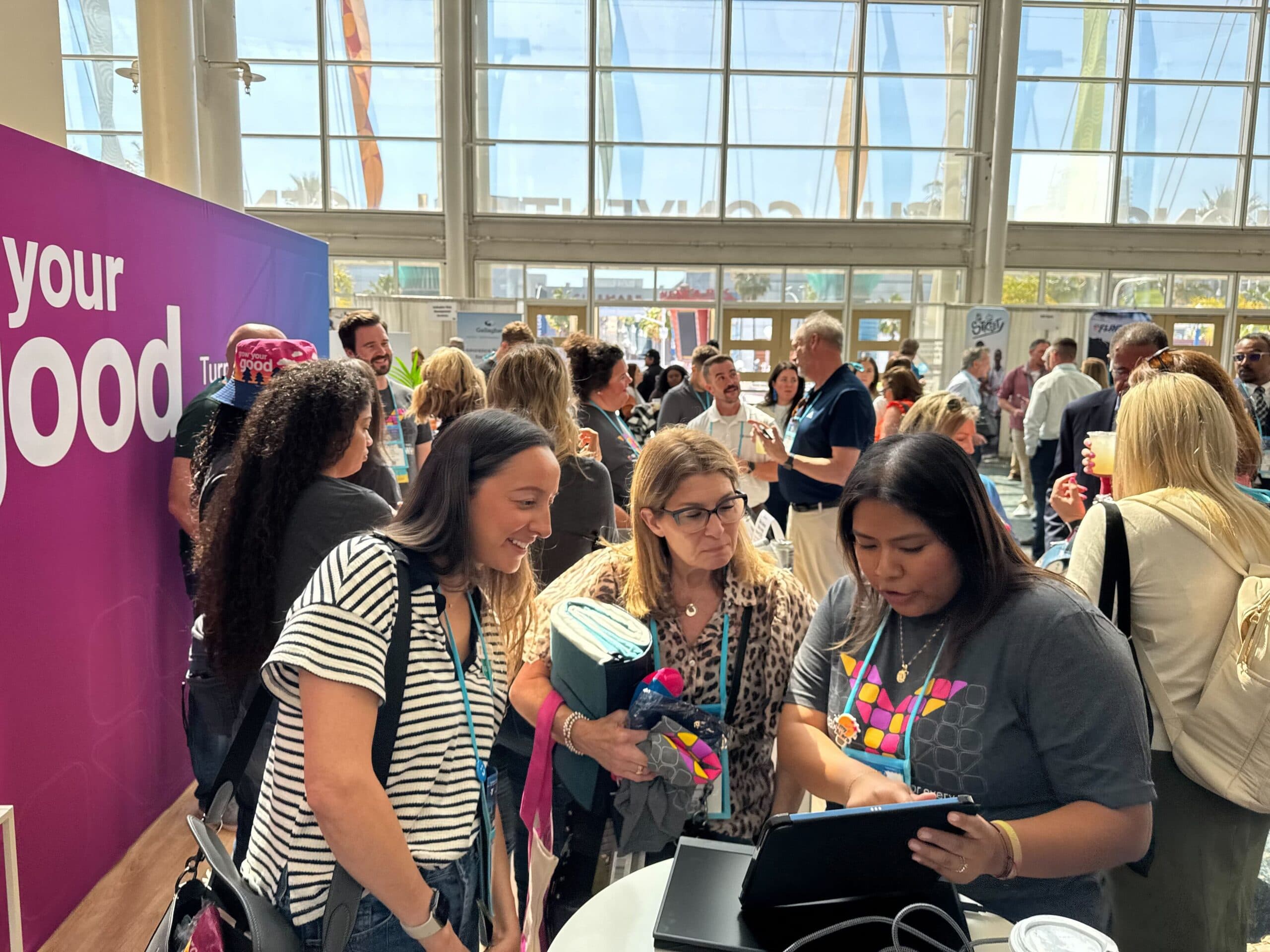
The technology question underneath all of this: how do development teams personalize stewardship at scale without burning out their staff? That’s where the conversations about AI and the conversations about retention started to overlap — and where Daxko’s fundraising integrations with Funraise, Bloomerang, Raiser’s Edge, and GoFundMe Pro/Classy drew strong interest at the booth. When donor management tools talk directly to member data, personalization stops being a manual lift and starts being part of the standard process.
4. Annual campaign strategy is being rebuilt for a new environment
The annual campaign and major gifts content at NAYDO 2026 was deep — covering everything from driving a $1 million annual campaign to small-Y major gifts strategy, transformational case crafting, and what to do after a campaign wraps.
The through-line across these sessions wasn’t a new tactic. It was a new mindset. Annual campaigns can no longer rely on the same playbook from five years ago. Volunteer solicitors are harder to recruit and train. Donors expect more transparency about how their gift is used. Board engagement varies widely from year to year. And the timeline between “campaign launches” and “campaign closes” is being squeezed by competing priorities everywhere.
What’s working, based on what we heard:
- Starting earlier
- Training volunteer solicitors with shorter and more practical content
- Leaning harder on the case for support (and making it specific to local outcomes)
- Not waiting until the campaign closes to start stewarding
The Ys with the strongest results are treating the annual campaign less as a sprint and more as a year-round system.
5. The grants and corporate sponsorship environment is changing - and Ys are adapting
A meaningful portion of NAYDO 2026 was dedicated to the funding sources beyond individual giving – grant funding trends and YMCA-specific strategy, cross-functional grant management, corporate sponsor strategy, and event sponsorship reimagined.
The signal here is clear. Grant cycles are tighter. Corporate partners are asking harder questions about outcomes. Event sponsorships need to deliver measurable value to the sponsor, not just visibility. And public funding flows are shifting in ways that Ys can’t always predict – making private philanthropy and corporate partnership work even more important.
Development teams who came out of these sessions energized had a few things in common: cross-functional collaboration between development and program staff, strong outcomes reporting that can be shared with funders without manual work each cycle, and a willingness to rethink the format of sponsorships and events to match what funders actually value today.
What We’re Carrying Forward
What stood out to the Daxko team this year, beyond the sessions, was the depth of conversation happening between YMCAs. Development professionals were comparing notes openly, sharing what’s working and what isn’t, and challenging each other to think bigger.
A few things we heard repeatedly are already shaping our work. The interest in deeper fundraising capability built directly inside Daxko Operations was clear, and it’s something we’re actively scoping. The feedback on the new dashboards and report builder confirmed we’re solving the right problem – and pointed us toward the next set of refinements. The conversations about AI reinforced that the value isn’t in the technology itself, but in how it shows up in everyday workflows.
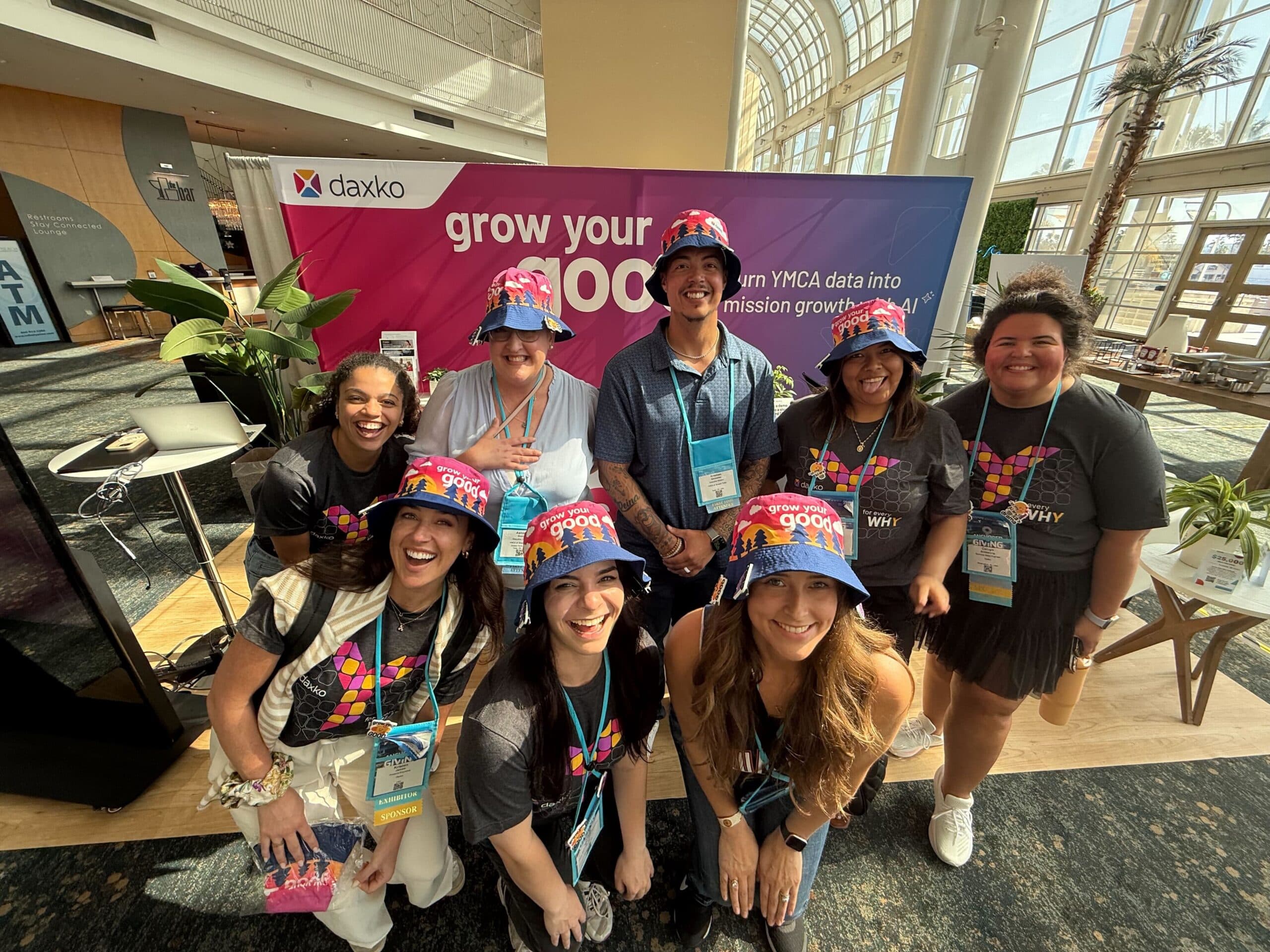
And before the week wrapped, we had the chance to support the broader Y community through the $25K YMCA Challenge with Funraise — a giving-back program built specifically for YMCAs. New challenges run through June, and the winning association takes home $25,000 (selected June 26th). Smaller and larger associations have equal odds.
If you were at NAYDO and want to continue any of the conversations from Long Beach, we’d love to stay connected!
Schedule a conversation with the Daxko team.